
We will receive a commission if you make a purchase through our affiliate link at no extra cost to you. Please read our disclosure policy for more information.
I know we all have our challenges in budgeting. While I like to think of myself as the budgeting queen in my family, I sometimes get confused with my finances!
That is, until I started learning about the cash envelope system. This is also called the cash stuffing envelope system, which has helped a lot when it comes to organizing my income and expenses. It’s become way easier to budget, and I now know exactly where my money goes.
This budgeting system is making rounds on TikTok, with tons of people talking about how simple it’s become to fix their monthly finances and get out of debt! While you can use an envelope, you can also use digital methods, whatever works for you.
So, if you’re learning how to stop living paycheck to paycheck, read on to learn more about how this budgeting system works! I’ll be showing you exactly how it works and the steps you should follow.
PIN THIS: I’ll be updating this post so make sure to pin this image here and save it to your Pinterest board. That way you’ll be able to come back to this page for steps on how to budget with the cash envelope system!
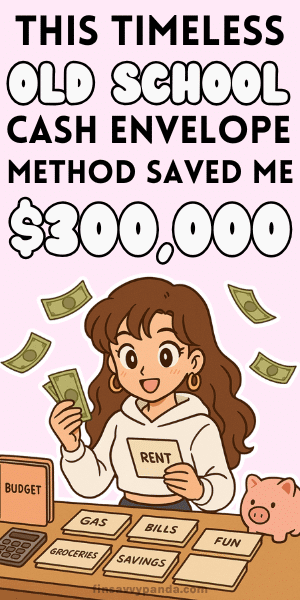
1. How the Cash Envelope System Works
Before anything else, what is the cash envelope system in the first place?
Basically, you’ll be splitting how much money will go into specific categories for the month. For example, you’ll withdraw $1,000 for the month and divide the cash into envelopes, like $400 for groceries, $150 for gas, $100 for family outings, $50 for emergencies, and so on. The budgeting system is also great for saving $10,000 in a year, as you can also allot a certain amount for your piggy bank!
Rather than simply listing things down on your phone or notebook, your budget now becomes more visual and tangible. This can make things easier for you and your family by giving you a clear view of where your money goes, helping you avoid unplanned purchases and overspending!
2. Best Categories to Start With
Now that you know how the envelope budgeting method works, the first step is to determine what your monthly expenses are. That way, you can start sorting those expenses into categories. This will make it easier to know how much should go where.
Here are helpful categories you can start out with when learning how to make a budget!
For starters, groceries and household supplies. This is one of the largest expenses in any household, as well as the easiest we can overspend on. I know I sometimes end up overspending a bit on my snacks! Speaking of snacking, dining out is another important category, which should include your weekend treats, takeout, and coffee runs.
Next up is transportation expenses, such as gas or your daily commute. Another necessary expense category is your kids’ needs, if you have any. This includes their school supplies, birthday gifts, and extracurricular activities, among others.
Of course, we can’t forget about family fun, like movie nights, attending events, and other seasonal activities like Easter Sunday lunches or Christmas celebrations. I also recommend having a miscellaneous category for any unexpected expenses, like emergency vet visits.
3. Step-by-Step: How to Set Up Your First Cash Envelope Budget
The next burning question: How will you know exactly how much you should be putting into each category?
First off, how much did you spend on these categories in the past 2 months? Track your past spending so you have an idea of how much you should be allocating. Make sure you set realistic limits. If possible, try to see what expenses you can cut down, or use the 50/30/20 rule budget!
For instance, maybe you can cancel your subscription to a streaming platform, or go out for dinner once a week instead of twice. If you usually spend $400 a month on groceries, lessen it to $350 and find ways to spend less when at the supermarket.
From there, you can label and organize your envelopes to put your cash in. Make sure to place it in a safe and secure area!
4. What to Do When an Envelope Is Empty
The cash envelope system is similar to the zero-based budget, where all of what you earn is spent on a specific purpose, such as rent, utilities, groceries, savings, travel funds, or getting out of debt.
With that said, what happens if you run out of cash in one of your envelopes?
Well, what you shouldn’t do is borrow from other envelopes! The only time you should do this is if it’s absolutely necessary, such as extra groceries in case you run out of food. You want to avoid repeating bad spending habits in the future. The goal is to stick to your budget and follow frugal living tips, not to continuously overspend!
For example, if you run out of cash in your ‘Dining Out’ envelope, find ways around it without spending more money. Plan a pizza night at home, use cashback or loyalty points to buy takeout, or whip something up in the kitchen and watch a movie at home!
5. How to Track Spending Without a Spreadsheet
We all know those TikTok reels of people who take budgeting to the next level with detailed spreadsheets! As cool as that looks, I understand not everyone can do this. Heck, even I can’t!
Don’t worry, with the right money-saving tips, you can still track your spending without using spreadsheets.
Start by writing down all your purchases on the back of each envelope to keep track of what you’re spending on. I also recommend keeping or taking photos of your receipts. At the end of the week, you can add up how much you’ve spent.
Another tip is to use a printable budget tracker for the entire household to see. Place it on the fridge or somewhere visible, so everyone knows how much is left to spend on groceries, takeout, gas, and the like.
6. Pros and Cons of the Cash Envelope System
Are you still considering using the cash-only budgeting system? Here are some pros and cons to help you out!
One of the biggest advantages of the cash envelope system is that it can physically limit the whole family from spending on unnecessary things. If you run out of cash in your shopping envelope, then you’ll need to wait next month rather than use your card for more purchases! It can also make you more aware of what you’re spending and the things you can cut back on to save money. That way, you won’t incur debt or experience overdrafts.
That said, budgeting with cash does have its minor challenges.
It might be a tad inconvenient if you’re dealing with online purchases. Some restaurants or stores might also be completely cashless, so you’ll need to prepare for that, too. Fortunately, there are digital envelope systems you can take advantage of!
7. Digital Envelope System Alternatives
What if you prefer not to use cash? We’re on the same boat, I prefer digital payments since it’s sometimes a pain using cash! Plus, I like getting cashback and rewards when using payment methods like credit cards.
If that’s the case, there are easy-to-use apps that mimic envelope budgeting digitally, like You Need a Budget, Goodbudget, and RealBudget. You can create digital envelopes for various spending categories, and even share the budget with other people.
Some apps, like Envelope, even have their own banking app with built-in budgeting. Other apps even have extra features to take budgeting to the next level, such as sending alerts or spending tracking.
8. Tips to Make It Work Long-Term
It’s one thing to learn about the cash envelope system, but it’s another to stay consistent! Sure, it might be a bit difficult at first, but as long as you stick to a routine, you’ll be able to budget even better in the long run.
Set a day to withdraw cash each month and do weekly envelope check-ins to track your current spending. This can help you stick to the budgeting system and be more aware of your expenses.
Besides sticking to the cash envelope system, look for ways to save even more to free up your budget for other categories. For instance, save on groceries through meal planning and using coupons. Shopping expenses can also be reduced by taking advantage of the best cashback apps, and listing down the things you should stop buying to save money!
Enjoyed this post? Don’t forget to pin the image below! Also, don’t forget to follow me on Pinterest over here! 🙂

Leave a Reply